Precision Lyophilization for Cutting-Edge Research
Thu 25.06.2026
Modern freeze drying and vacuum drying systems ensure gentle sample processing with maximum control over the entire process. An ideal solution for laboratories, development, and demanding scientific applications.
Next-generation scientific freeze dryers and vacuum drying systems FreezeDry GmbH
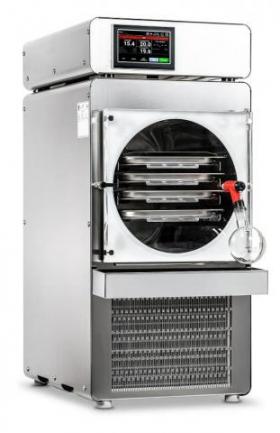
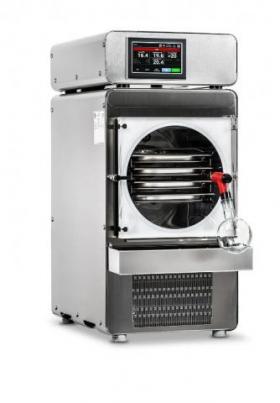
represent a key tool for modern laboratories, research centers, and development facilities. They utilize the principle of lyophilization - the gentle removal of water by sublimation at low temperatures and under vacuum - preserving the structure, biological activity, and chemical stability of samples. This process is essential for applications where maximum precision, reproducibility, and protection of sensitive materials are required.The portfolio includes a wide range of models - from compact benchtop units suitable for routine analyses to advanced systems designed for demanding research and development.
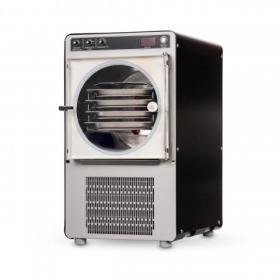
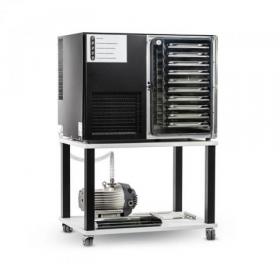
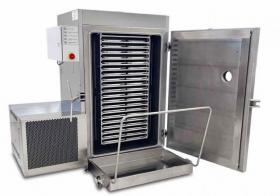
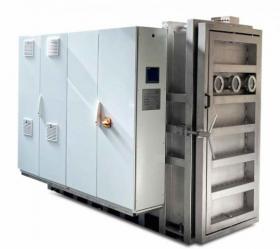
Smaller laboratory models are ideal for university environments, enabling efficient drying of cell cultures, enzymes, and DNA/RNA samples, where speed and ease of use are critical. Mid-range systems with higher capacity and shelf configurations are perfectly suited for pharmaceutical development, formulation testing, and stability studies, where precise process control and repeatability are essential. High-performance, fully configurable systems are used in biotechnology, vaccine production, and advanced materials research, where maximum control over every process parameter and scalability are required.Various configurations are available, including different condenser types, capacities, and levels of automation, allowing precise adaptation to specific application needs. Modular designs can be expanded with accessories such as manifolds for simultaneous drying of multiple flask samples, shelves for batch vial processing, or specialized containers for non-standard applications.
This flexibility enables efficient use for both small sample volumes and more demanding production series.The lyophilization process itself takes place in several controlled stages - sample freezing, primary drying (ice sublimation under reduced pressure), and secondary drying, during which residual moisture is removed. For biological samples such as proteins or microorganisms, controlled freezing is critical to preserving their structure. In pharmaceutical applications, precise control of primary drying is essential to prevent product collapse. In the food sector, the process is optimized to maintain taste, color, and nutritional value.These technologies also play a crucial role in food safety. Lyophilization significantly reduces water content, thereby limiting microbial growth and enzymatic activity, which extends shelf life without the need for preservatives. At the same time, it preserves nutritional value and sensory properties, making it highly valuable for both product development and quality control in the food industry. Precisely controlled processing minimizes the risk of degradation of sensitive components and ensures consistent, reliable results.Strong emphasis is placed on precise control, vacuum stability, and efficient vapor removal, resulting in consistent and reproducible outcomes. Robust construction and high-quality components ensure long-term reliability even under intensive operation, while intuitive user interfaces simplify operation and enable real-time process monitoring.Scientific freeze dryers and vacuum drying systems therefore represent an ideal solution for anyone seeking a combination of advanced technology, flexibility, and reliability. Whether working with sensitive biological samples, developing new pharmaceutical products, analyzing advanced materials, or focusing on food safety and quality, these systems provide confidence in accurate results and full control over the entire process.