Reliable temperature monitoring as a foundation for quality, safety, and compliance
Thu 25.06.2026
Effective temperature monitoring today means continuous oversight, immediate response, and full control over data. Modern solutions with automatic cloud transfer, real‑time alerts, and clear measurement history help protect sensitive materials, meet regulatory requirements, and ensure that any deviation is detected the moment it occurs.
From simple logging to active environmental control
In many fields-such as healthcare, pharmaceutical research, and calibration laboratories-measuring temperature alone is no longer sufficient. Temperature conditions must be actively monitored, evaluated, and managed in real time.
Modern data loggers therefore operate not only as recording devices but as complete monitoring systems. They offer high-capacity storage of up to 32,000 temperature readings (16,000 per channel) and provide statistical summaries including minimum and maximum values, as well as the duration of any excursions over extended periods. This enables both quick status assessment and detailed historical analysis for validation and audits.
Remote monitoring without physical access
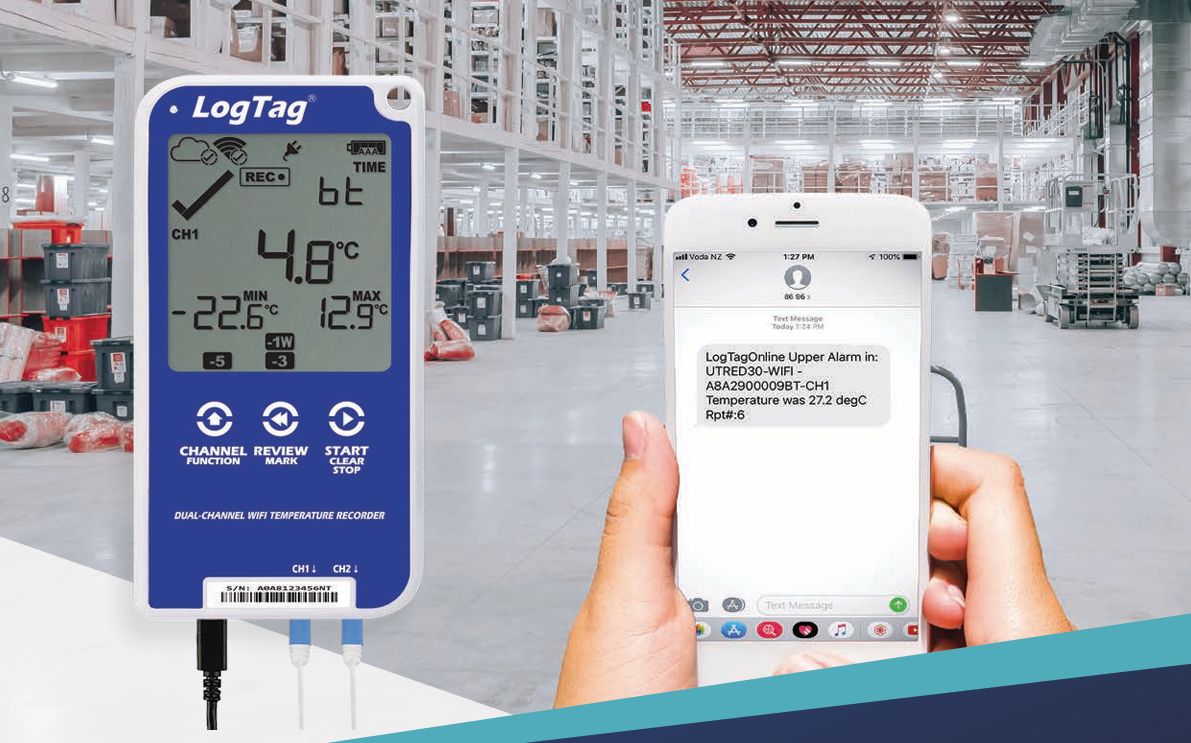
A key advantage of modern systems is automatic data transmission via WiFi to a cloud-based platform. Measurements are uploaded in real time, allowing users to access data from anywhere without physically interacting with the device.
This approach eliminates manual data collection, reduces the risk of human error, and enables continuous monitoring across multiple locations. It is particularly valuable for organizations that require centralized oversight or strict documentation of environmental conditions.
Instant alerts to minimize risk
In critical environments, the ability to respond immediately is essential. When predefined temperature limits are exceeded, the system triggers visual and audible alarms and can send remote notifications to responsible personnel.
This ensures that corrective action can be taken without delay-preventing damage to sensitive samples, pharmaceuticals, or equipment. The clear alarm indication directly on the device also allows for rapid on-site recognition of any issue.
Clear information directly on the device
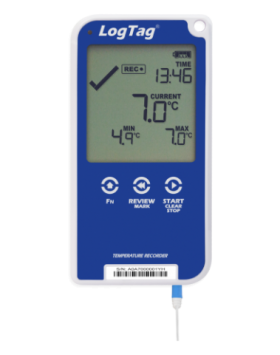
While remote access is important, on-site visibility remains essential. A large, easy-to-read display provides instant access to key information such as current temperature, minimum and maximum values, time, and recording status.
In addition, users can quickly review recent alarm history without needing a computer, enabling fast and efficient checks during routine inspections or operational workflows.
Accuracy and flexibility for demanding applications
For laboratory and metrology use, measurement accuracy and reliability are critical. These systems are designed to deliver stable, high-quality data across a wide temperature range and support the use of external probes for measurement directly at the critical point.
This makes them suitable not only for routine monitoring but also for validation processes, environmental qualification, and detailed documentation of measurement conditions.
Automated documentation and audit readiness
Another major benefit is the ability to automatically generate detailed reports and securely store measurement data. This simplifies compliance with regulatory requirements and facilitates both internal and external audits.
Comprehensive records are always available, ensuring traceability and enabling users to demonstrate full control over temperature conditions at any time.
Applications across critical industries
Such monitoring systems are widely used in environments where temperature is a critical parameter:
- healthcare and vaccine storage
- pharmaceutical and research laboratories
- calibration and metrology facilities
- industrial and process environments
Summary
Modern temperature monitoring represents a shift from passive measurement to active environmental control. It enables continuous real-time oversight, immediate response to deviations, and complete documentation for audits and compliance.
The result is confidence that conditions are always under control-and that even minor deviations are captured in time, before they can cause damage or disrupt critical processes.